
Case Study: Why Treating Mental Health and Addiction Together Matters
This story is a composite case study based on the experiences of real clients at River’s Bend. Details have been changed to protect privacy while honoring the truth of their recovery journeys.
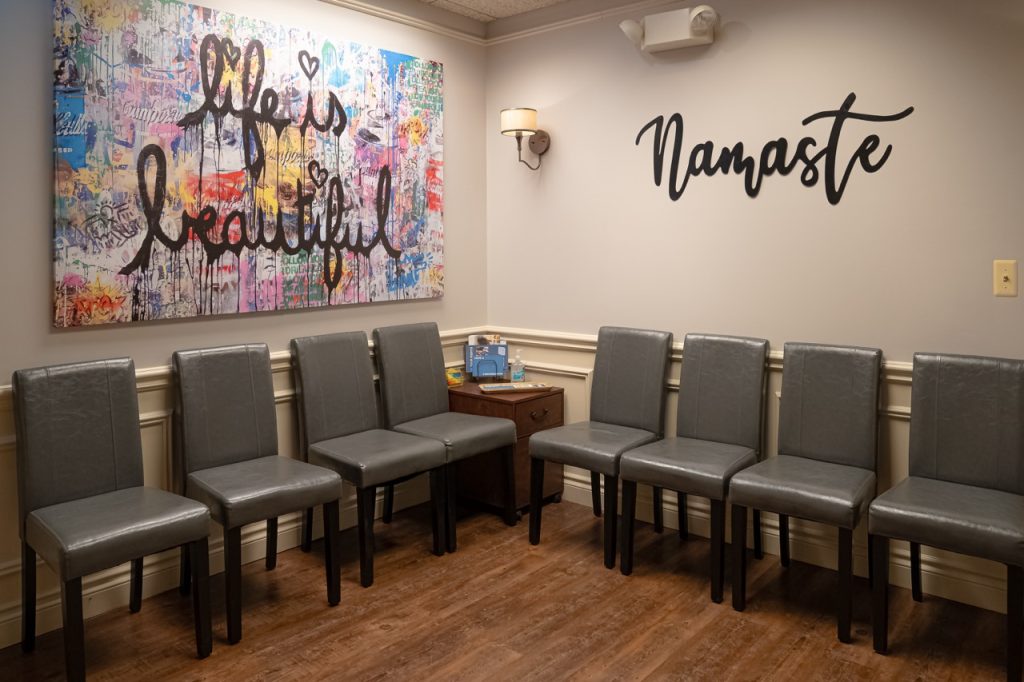
I Didn’t Know I Needed Help for Both
When I first walked through the doors of River’s Bend, I thought I just had an addiction problem. I had no idea that what was fueling it, quietly, consistently, was unaddressed anxiety and trauma.
Like many others, I didn’t realize I had what professionals call a co-occurring disorder: a mental health condition and a substance use disorder happening at the same time.
I just knew I was tired. Tired of numbing out. Tired of starting over. Tired of not feeling whole.
The Link Between Mental Health and Substance Use
For years, I tried to get sober on my own. Sometimes I’d make it a few months, even a year. But the pull was always there. I’d white-knuckle through cravings, only to find myself overwhelmed by emotions I didn’t know how to manage.
That’s what no one talks about, how addiction isn’t always the only problem. It’s the coping mechanism we reach for when the pain underneath goes untreated.1
At River’s Bend, I finally had a therapist who saw all of me. Someone who didn’t just ask about my sobriety, but about my panic attacks, racing thoughts, and feelings of worthlessness. It was the first time I understood: I hadn’t failed recovery, I’d only been treating half the problem.
Why River’s Bend Starts With Stabilizing Substance Use
One of the most important lessons I learned is that River’s Bend always treats the addiction first when both addiction and mental health are present.
It’s not that mental health isn’t urgent. But when you’re actively using substances, your brain is still in survival mode. You can’t fully process trauma or practice emotional regulation while you’re still chemically overwhelmed.2
So we started there.
Through the SUD Intensive Outpatient Program (IOP), I learned skills to manage cravings, build structure, and start feeling safe in my own body. The groups were supportive and real. No judgment. Just people like me, trying.
And once I had some footing? That’s when the deeper therapy began. That’s when I could finally address my underlying mental health issues—anxiety, grief, and more—in a way that made sense.
The Red Flags I Missed (Maybe You Have Too)
Looking back, there were signs I had a dual diagnosis, I just didn’t know what to call it:3
- I couldn’t sleep without using something to calm my mind
- I thought early sobriety anxiety was just withdrawal
- I avoided emotions with substances, then blamed myself
- Therapy never worked before, because I wasn’t sober enough for it to
If you see yourself in any of that, take a breath. You’re not broken. But you might need help that treats both your mental health and substance use—together.
How Integrated Treatment Changed My Life
Once we addressed both conditions, everything changed.
My therapy didn’t happen in a vacuum. It happened in the context of recovery. And my recovery didn’t depend on willpower, it was built on new tools, healthier coping mechanisms, and support.
This is what integrated care means:
Treating the whole person.
In the right order.
At the right time.
Signs You May Need Dual-Diagnosis Treatment
If you’re unsure whether your struggles are rooted in addiction, anxiety, depression—or all of the above—ask yourself:
- Do I use substances to manage emotions or thoughts?
- Have I tried to get sober, only to feel worse mentally?
- Does therapy feel unhelpful when I’m still using?
- Do I feel like I’m always “missing something” in recovery?
If you said yes, you may be living with a co-occurring disorder—and you deserve treatment that honors that complexity.4
Recovery Isn’t About Choosing What to Fix First
At River’s Bend, you don’t have to pick between mental health care or substance use treatment. You get a team that understands how they intersect, and why both matter.
Whether you’re considering IOP, PHP, or just curious about where to start, know this:
You are not the only one.
You are not too far gone.
You are not meant to figure this out alone.
Take the First Step
Download the Coping with Triggers Workbook to begin building practical tools for both mental health and addiction recovery.
Because healing doesn’t happen by treating one part of you. It happens when both mental health and substance use disorders are treated together, by people who care.
References
- Lewis, M. (2017). Addiction and the brain: development, not disease. Neuroethics, 10(1), 7–18. https://doi.org/10.1007/s12152-016-9293-4 ↩︎
- Michaels, T. I., Stone, E., Singal, S., Novakovic, V., Barkin, R. L., & Barkin, S. (2021). Brain reward circuitry: The overlapping neurobiology of trauma and substance use disorders. World Journal of Psychiatry, 11(6), 222–231. https://doi.org/10.5498/wjp.v11.i6.222 ↩︎
- Dual diagnosis. (2025, November 7). Cleveland Clinic. https://my.clevelandclinic.org/health/diseases/24426-dual-diagnosis ↩︎
- Woody, G. (1996). The challenge of dual diagnosis. https://pmc.ncbi.nlm.nih.gov/articles/PMC6876494/ ↩︎