Why Do I Still Feel Stuck After Trauma? How Accelerated Resolution Therapy (ART) Helps the Brain Heal

- You tell yourself it happened years ago.
- You know you’re safe.
- You know it wasn’t your fault.
Yet certain memories, places, conversations, or even smells instantly transport you back to that moment.
- Your heart races.
- Your thoughts spiral.
- Sleep becomes difficult.
You wonder…
“Why can’t I just move on?”
If this sounds familiar, you’re far from alone.
According to the World Health Organization, approximately 70% of people worldwide experience at least one potentially traumatic event during their lifetime, and many continue experiencing emotional distress long after the event has passed. Research from the National Center for PTSD also shows that trauma can change the way the brain stores memories, making them feel as though they are happening in the present rather than remaining safely in the past.
The encouraging news is that healing is possible.
One evidence-based approach helping many individuals move forward is Accelerated Resolution Therapy (ART).
What Is Accelerated Resolution Therapy (ART)?
Accelerated Resolution Therapy (ART) is an evidence-based psychotherapy that helps people process traumatic memories differently.1 Unlike traditional talk therapy, ART doesn’t require someone to repeatedly describe every painful detail of what happened.2 Instead, the therapy combines guided eye movements with visualization techniques that help the brain reorganize how distressing memories are stored.3
The goal isn’t to erase memories.
It’s to reduce the emotional intensity attached to them.
Many people report that after treatment they can remember difficult experiences without feeling overwhelmed by them.
Research published in Behavioral Sciences and supported by studies through the National Institutes of Health suggests ART may significantly reduce symptoms associated with post-traumatic stress, anxiety, depression, and complicated grief while often requiring fewer sessions than many traditional trauma therapies. 1,2,3 1,2
Why ART Feels Different
Trauma often leaves people feeling trapped in survival mode.
ART works from a different perspective.
Rather than asking, “How do we keep talking about this?”
It asks,
“How can we help your brain process this experience so it no longer controls your present?”
For many people, that shift creates hope.
Clients frequently describe feeling lighter, calmer, and better able to focus on the life they want to build instead of continually reliving the past.
Compassionate Trauma Therapy at River’s Bend
Healing is never one-size-fits-all.
River’s Bend continues expanding evidence-based treatment options that meet people wherever they are in their recovery journey. This commitment reflects the organization’s long-standing philosophy of pairing clinical excellence with compassionate, relationship-centered care throughout Michigan.
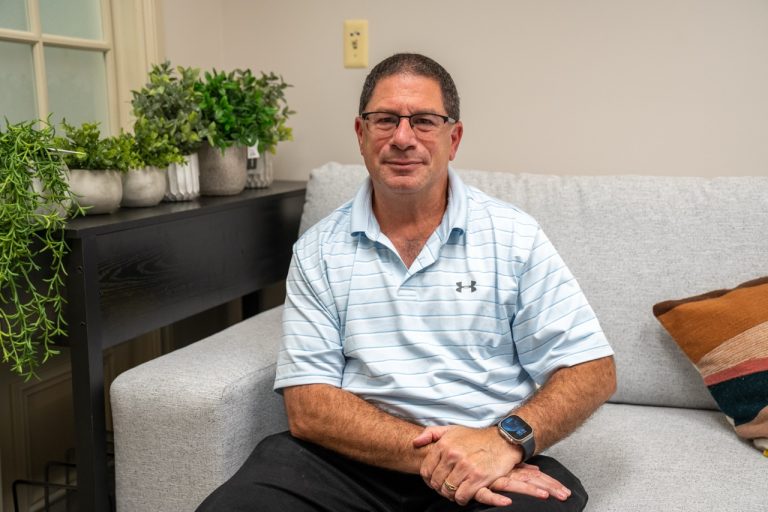
One of the clinicians helping bring this innovative therapy to River’s Bend is Alicia Starkey, LMSW.
Raised in Metro Detroit and earning her Master of Social Work from Northern Michigan University, Alicia brings both professional expertise and deep compassion to her work with children, adolescents, young adults, and families.
As a proud Native American serving on the Health Board for the Saginaw Chippewa Indian Tribe, she understands the importance of culture, connection, and strong family relationships in the healing process.
Her clinical approach blends Cognitive Behavioral Therapy (CBT), Dialectical Behavior Therapy (DBT), Motivational Interviewing (MI), and specialized training in Accelerated Resolution Therapy to create treatment plans that are personalized, respectful, and grounded in evidence.
For Alicia, therapy isn’t about “fixing” people.
It’s about helping them rediscover the strengths they already possess.
Is Accelerated Resolution Therapy Right for You?
ART may be beneficial for people experiencing:
- Trauma or PTSD
- Anxiety
- Panic attacks
- Grief and loss
- Childhood trauma
- Stress related to difficult life experiences
- Distressing memories that continue to interfere with daily life
Every person’s experience is unique, and a professional assessment can help determine whether ART or another evidence-based approach is the best fit.
You Don’t Have to Carry It Alone
Trauma has a way of convincing people that healing is out of reach.
It isn’t.
Every day, people across Michigan discover that recovery doesn’t always require years of reliving painful memories. Sometimes it begins with finding the right therapist, the right approach, and a team committed to walking alongside you.
At River’s Bend, healing begins with a conversation.
Whether you’re exploring therapy for yourself, someone you love, or simply want to understand your options, our compassionate intake team is here to help you take the next step.
Ready to Learn More?
Contact River’s Bend today to speak with our intake team and learn whether Accelerated Resolution Therapy (ART) with Alicia Starkey, LMSW, or another evidence-based treatment approach may be right for you. Your path toward healing can begin today.
References
- Storey, D. P., Marriott, E. C. S., & Rash, J. A. (2024). Accelerated Resolution Therapy (ART) for the treatment of posttraumatic stress disorder in adults: A systematic review. PLOS Mental Health, 1(4), e0000123. DOI / publication ↩︎
- Kip, K. E., Rosenzweig, L., Hernandez, D. F., et al. (2013). Randomized controlled trial of Accelerated Resolution Therapy (ART) for symptoms of combat-related post-traumatic stress disorder (PTSD). Military Medicine, 178(12), 1298–1309. DOI / publication ↩︎
- Kip, K. E., Elk, C. A., Sullivan, K. L., et al. (2012). Brief Treatment of Symptoms of Post-Traumatic Stress Disorder (PTSD) by Use of Accelerated Resolution Therapy (ART). Behavioral Sciences, 2(2), 115–134. DOI / publication ↩︎