Pride Month & Why Community, Acceptance, and Support Matter for Mental Health
Every June, Pride Month honors the history, resilience, and contributions of lesbian, gay, bisexual, transgender, queer, and other LGBTQ+ individuals. It is a time to celebrate authenticity, raise awareness about ongoing challenges, and reaffirm the importance of acceptance and belonging.
Pride Month began in remembrance of the 1969 Stonewall Riots, a pivotal moment in the movement for LGBTQ+ rights.1 Today, Pride is both a celebration and a reminder that many LGBTQ+ individuals continue to face stigma, discrimination, and barriers to mental health care.
Why Pride Month Matters for Mental Health
Research consistently shows that LGBTQ+ individuals experience higher rates of anxiety, depression, substance use disorders, and suicidal thoughts compared to the general population. According to The Trevor Project, LGBTQ+ young people are significantly more likely to consider suicide, especially when they lack supportive environments.2
These disparities are not caused by sexual orientation or gender identity themselves. Rather, they are linked to experiences such as rejection, bullying, social isolation, and discrimination.3
The good news is that support makes a profound difference.
The Centers for Disease Control and Prevention (CDC) notes that acceptance from family, peers, schools, and communities can greatly reduce suicide risk and improve overall well-being.4
Why Pride Is Especially Important for Young People
Adolescence and young adulthood are periods of identity development, social comparison, and emotional growth. LGBTQ+ youth may face additional stress when they fear rejection or feel pressured to hide important parts of themselves.
Pride Month sends a powerful message: You belong. You are valued. Your identity deserves respect.
Even small gestures of support can help young people feel safer and less alone.
Small Ways to Show Support This June
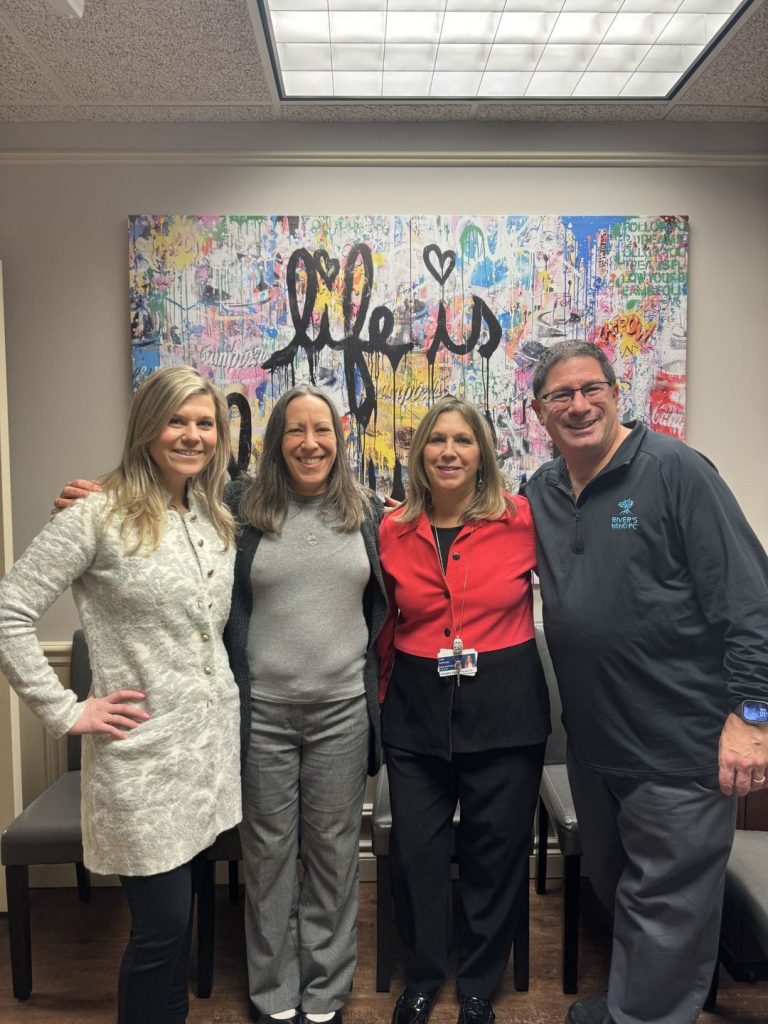
Bruce Goldberg, River’s Bend President and co-owner, is a firm believer that healing from mental health and substance use disorders happens in community. Whether you identify as LGBTQ+ or not, there are meaningful ways to help lift others up.
- Use a person’s chosen name and pronouns.
- Listen without judgment.
- Display a Pride flag or supportive message.
- Speak up against hurtful comments.
- Learn more about LGBTQ+ experiences.
- Check in with a young person who may be struggling.
- Share mental health resources and affirming support options.
These actions may seem simple, but they communicate acceptance and belonging.
When Community Supports Healing
Whether someone is managing anxiety, depression, trauma, or substance use, feeling connected to others is a powerful protective factor. Recovery is more sustainable when individuals know they are accepted and supported.
Pride Month reminds us that everyone deserves to be seen, respected, and encouraged.
Find Compassionate Support at River’s Bend
River’s Bend provides evidence-based outpatient treatment for mental health and substance use disorders in Troy and West Bloomfield, Michigan, with virtual options available throughout Michigan.
This June, let’s celebrate the strength of the LGBTQ+ community and remember that healing is possible when people feel safe, supported, and connected.
Resources
- Research guides: LGBTQIA+ Studies: A Resource Guide: 1969: The Stonewall Uprising. (n.d.). https://guides.loc.gov/lgbtq-studies/stonewall-era ↩︎
- The Trevor Project. (2026, May 7). The Trevor Project – Suicide Prevention for LGBTQ+ Young people. https://www.thetrevorproject.org/ ↩︎
- Garcia, J., Vargas, N., Clark, J. L., Álvarez, M. M., Nelons, D. A., & Parker, R. G. (2019). Social isolation and connectedness as determinants of well-being: Global evidence mapping focused on LGBTQ youth. Global Public Health, 15(4), 497–519. https://doi.org/10.1080/17441692.2019.1682028 ↩︎
- Preventing suicide. (2024, September 10). Suicide Prevention. https://www.cdc.gov/suicide/prevention/index.html ↩︎