What is Means to Treat the Whole Person
One of the phrases I use often is “at River’s Bend, we treat the whole person.” It’s more than a tagline. It is the foundation of how we have approached mental health and substance use treatment since opening our doors in 1995.
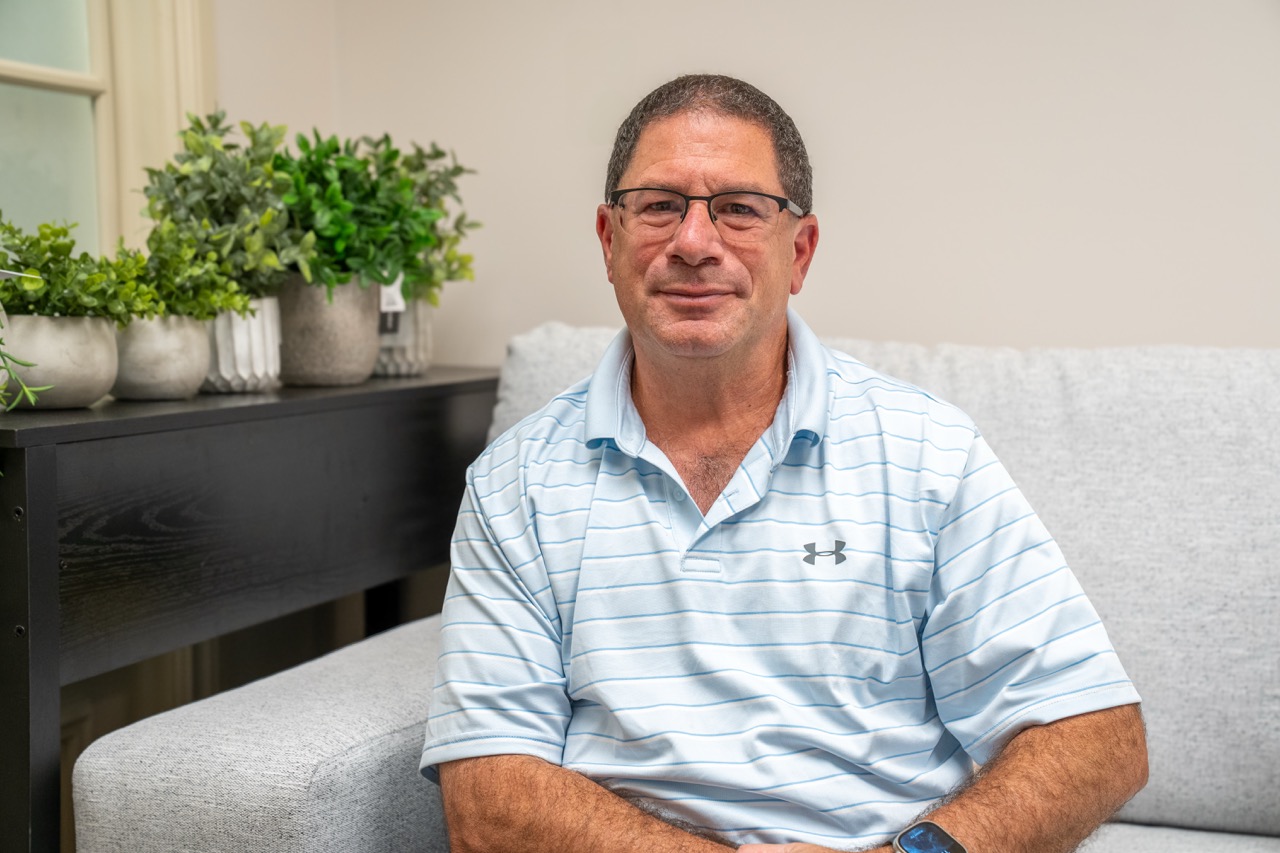
As a clinician and co-owner, I spent much of April and May speaking with community groups, hospital teams, therapists, school counselors, and healthcare professionals throughout Metro Detroit. In every conversation, one truth continued to emerge: lasting recovery rarely happens in isolation.
Whole person healing happens in community.
When someone reaches out for help, they are not simply dealing with a diagnosis. They are often carrying emotional pain, family stress, relationship challenges, work pressures, and, in many cases, the stigma that still surrounds mental health and addiction treatment. To truly support recovery, we must address the full context of a person’s life, not just their symptoms.
That is what whole-person care means at River’s Bend.
Whole-person behavioral healthcare recognizes that mental health, substance use, physical health, family dynamics, and social support are deeply interconnected.
For example, someone struggling with anxiety may also be coping with alcohol misuse, unresolved trauma, and strained relationships. Treating only one issue in isolation can leave important needs unmet.
Our personalized and evidence-based programs—including mental health and substance use disorder Intensive Outpatient Programs (IOP), Partial Hospitalization Programs (PHP), and specialized services for adolescents—are designed to address these overlapping concerns in an integrated, compassionate way.
We don’t ask, “What’s wrong with you?”
We ask, “What has happened to you, and what support do you need to heal?”
Reducing the Stigma Around Getting Help
One of the biggest barriers to recovery is the belief that asking for help is a sign of weakness.
I have spent nearly three decades working with individuals and families in crisis, and I can tell you with certainty that seeking treatment is an act of courage. It reflects hope, insight, and a willingness to move toward something better.
Our staff and clinicians work every day to normalize conversations about depression, anxiety, trauma, addiction because many of us have suffered personally or stood next to family members. We want people to know they are not alone and that healing is possible.
Why Healing Happens in Community
Recovery is strengthened when people feel connected and supported.
That support may come from therapists, psychiatrists, physicians, family members, peer groups, school counselors, interventionists, or discharge planners. Each plays a vital role in helping someone stay engaged in treatment and continue progressing.
This is why River’s Bend invests significant time and energy into building relationships with trusted professionals and organizations (Link to on the road professional partners tour). We believe the strongest outcomes occur when providers collaborate rather than operate in silos.
Over the past two months, I’ve had the privilege of meeting with many of these partners. These conversations reaffirmed our shared commitment to creating a continuum of care that catches people before they fall through the cracks.
Building a Web of Support
Mental health recovery is not linear. People may need different levels of care at different times.
Our role is to provide a dependable bridge, whether someone is stepping down from inpatient treatment, transitioning from detox, or realizing that weekly therapy alone is not enough.
By coordinating closely with referral partners and families, we help clients access the right care at the right time.
That is what treating the whole person looks like in practice.
You Don’t Have to Heal Alone
At River’s Bend, we believe every individual deserves dignified, evidence-based care that addresses their unique story and surrounds them with meaningful support.
When people lean into help, they discover something powerful: healing does not happen alone.
It happens in community.